
Super Junior (슈퍼주니어)
ActiveSM Entertainment
When "Sorry, Sorry" became an unavoidable presence across Asian pop markets in 2009, it confirmed what Super Junior had been building since their November 2005 debut under SM Entertainment: a platform large enough to carry Korean pop music to audiences well beyond the peninsula. The group is widely credited as one of the acts that accelerated the first major wave of global Hallyu fandom, and more than two decades after their debut, members remain active in recording, touring, and broadcasting.
Debut and Formation
Super Junior debuted on November 6, 2005, under SM Entertainment with an unusually large roster that would eventually expand across several configurations. The group's structure was designed to allow sub-units to operate alongside the main act, a model that became a template for large-format K-pop groups in subsequent years. Their fandom, known as E.L.F. (Ever Lasting Friends), formed one of the earlier organized international K-pop fandoms and remained a consistent presence through the group's various lineup shifts and members' military service cycles.
Music and Discography
The group's commercial and cultural peak arrived with "Sorry, Sorry," the lead single from their fourth studio album of the same name. Its choreography — centered on a sharp, synchronized shrug-and-clap sequence — circulated widely at a moment when social video sharing was just beginning to reshape how pop music traveled across borders. The track became a reference point in discussions of how Korean pop crossed into Southeast Asian, Chinese, and broader international markets.
Over the years, Super Junior maintained activity through both full-group releases and a series of sub-units. Super Junior-M extended the group's reach into the Chinese-speaking market, operating as a distinct Chinese-language lineup. Super Junior-K.R.Y., composed of the group's core vocalists, focused on ballad material, while Donghae & Eunhyuk worked in a more dance-oriented direction. This architecture allowed the group to sustain visibility across different markets and formats even when full-group activity was interrupted by mandatory military enlistments.
Members
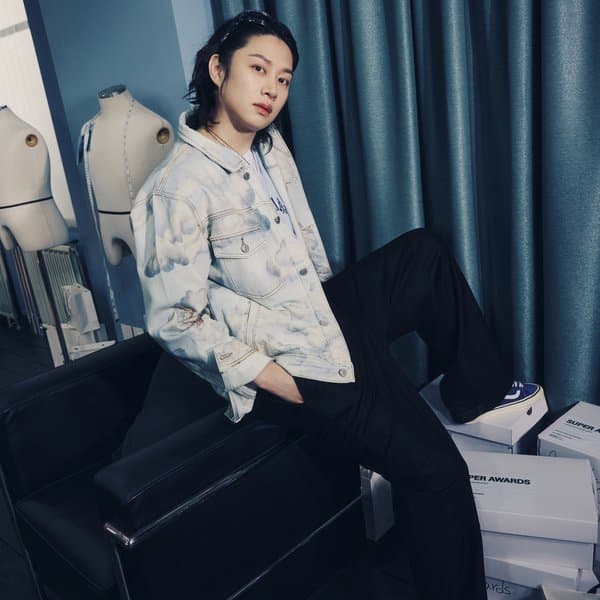
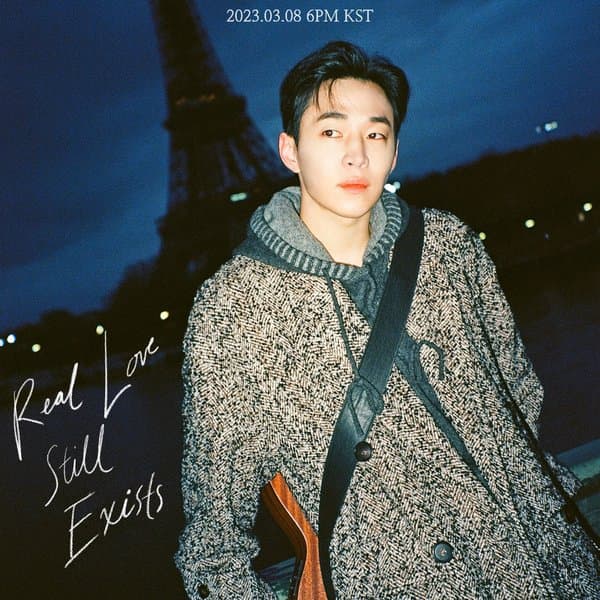
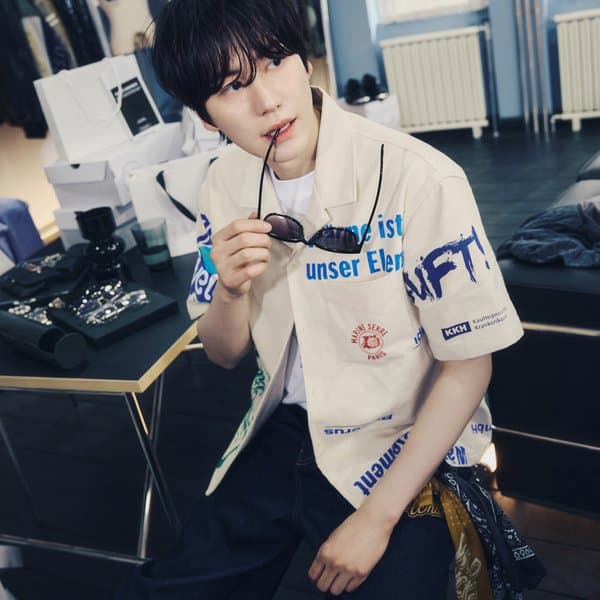
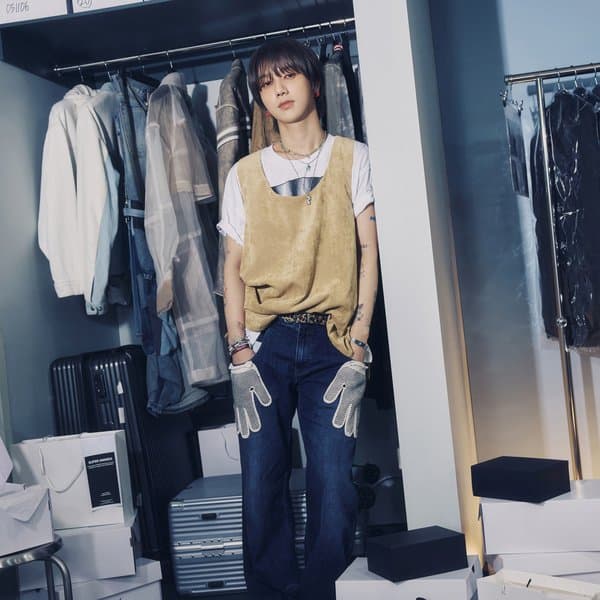
Super Junior's current roster includes fourteen members. Leeteuk serves as the group's leader. Yesung and Ryeowook hold main vocalist positions, with Zhoumi credited as lead vocalist. Kangin carries a sub-vocalist designation. The broader membership comprises Heechul, Hangeng, Siwon, Donghae, Eunhyuk, Shindong, Sungmin, Kyuhyun, Kibum, and Henry, alongside extended-unit members Zhoumi and Henry, whose participation has historically been configured through Super Junior-M. The group's membership has been one of the largest in K-pop, a scale that reflected SM Entertainment's ambitions for the act's multi-market reach from the outset.
Activities
Two decades in, individual members continue to carry substantial public profiles. Eunhyuk joined the cast of ENA's variety program *Idol Dispatch Work* in 2026, a format placing idols in real corporate office environments for each episode — a departure from the performance-focused variety work more typical of the genre. The appearance reflects a broader trend among long-tenured idol acts whose members have developed enough individual recognition to anchor mainstream entertainment formats independently.
Ryeowook made headlines in May 2026 with a donation of 100 million won to G Foundation, an international development NGO, designated for food, education, medical care, and cultural programming for underprivileged children in Korea and orphanages. The contribution was timed to Children's Day.
Donghae and Eunhyuk have maintained a joint YouTube presence, appearing on Daesung's channel *Jipdaeseong* in April 2026, where Donghae disclosed that he had come close to debuting as a member of Big Bang before ultimately joining Super Junior — a detail that surfaced publicly for the first time roughly twenty years after the fact.
Super Junior's 2026 concert activity drew scrutiny after a safety fence collapsed during a performance, causing fans to fall. Video of the incident prompted criticism regarding event safety management. Ryeowook was visibly shaken in footage captured at the scene. Separately, Donghae was involved in an on-stage equipment accident at another concert date, later confirming a hospital visit while assuring fans the injury was not serious.
Legacy and Standing
Super Junior's position in K-pop history is tied directly to timing and scale. Debuting in late 2005, they were among the acts that shaped the idol-group infrastructure — large rosters, sub-units, international market segmentation — that came to define the industry's expansion phase. The reported revelation that JYP Entertainment had designed 2AM and 2PM as a direct competitive response to Super Junior offers some measure of the group's market weight during that period: rival agencies were structuring their own debut strategies around them.
That the group remains publicly active, commercially engaged, and capable of drawing concert audiences more than twenty years after their debut places them in a small category of K-pop acts whose longevity has outlasted the typical career arc of the groups that followed them.
GROUP INFO
Type
Boy group
Label
SM Entertainment
Debut
2005-11-06
Fandom
E.L.F.
Members
17
Since
2005
Members
17












Cheers
Anyone can leave a message — no login needed. Please keep it kind 💜
Loading…