BTS Fansites Allege Invasive Searches as Camera Rule Debate Divides Fans
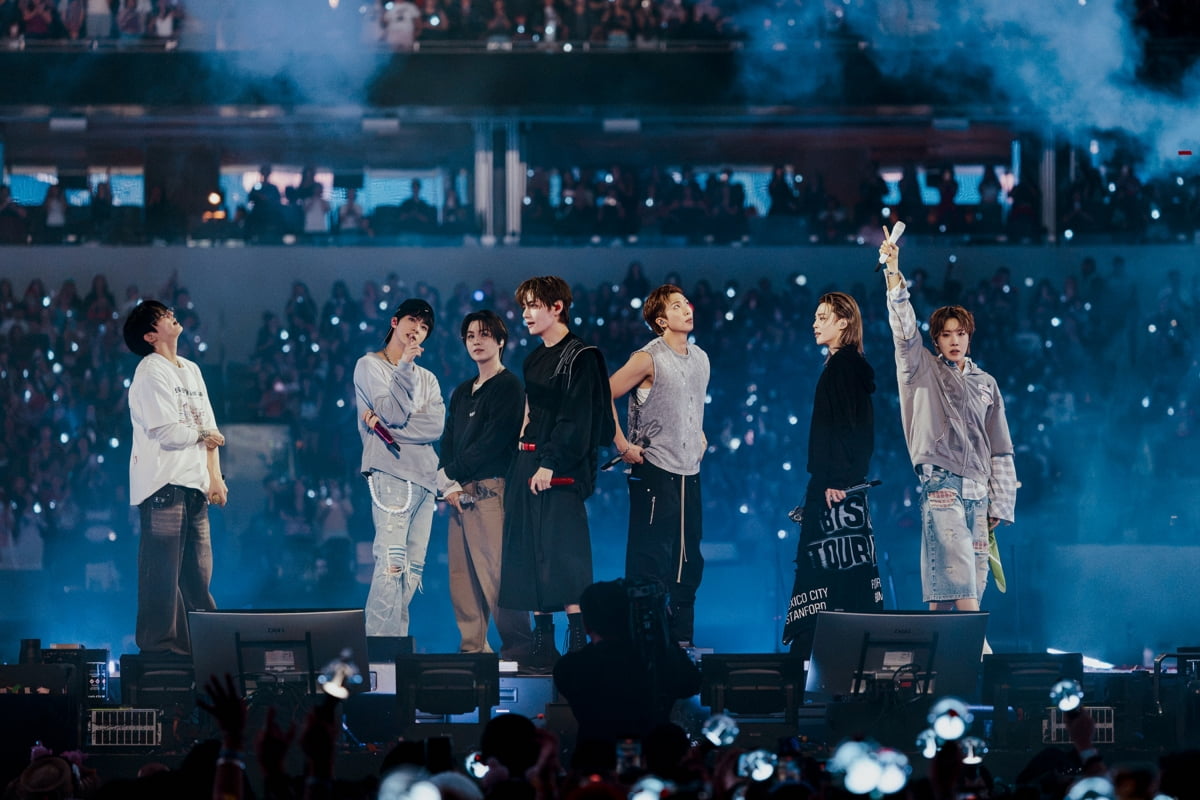
A group of BTS fansites have accused security at multiple stops of the group's ongoing world tour of taking professional camera restrictions too far, alleging invasive searches, collection of personal information, confiscation of property and threats.
In their statement, the fansites acknowledge that professional cameras may violate venue policies and say they are not objecting to being stopped from filming or removed from concerts. Their complaint is that what allegedly happened afterward went far beyond reasonable enforcement.
According to their account, security continued searching their belongings after cameras and memory cards had been surrendered, allegedly inspecting sanitary products and intimate areas of their bodies, with some fans restrained against a wall. They also claim they were forced to unlock their phones and had personal information, including passports, IDs and credit cards, photographed and shared to identify them at later concerts. Other allegations include unreturned memory cards, mockery and threats of arrest, jail or deportation.
If accurate, these allegations cannot simply be dismissed because those involved had violated camera policies. Yet reaction online has been divided, with some expressing concern over the alleged treatment and others pointing to the fansites' own responsibility for knowingly bringing prohibited equipment into venues.
For fans accustomed to concerts in South Korea, photography restrictions are often communicated prominently through an artist's agency or concert promoter. BTS's official fan etiquette similarly instructs fans not to photograph or record where prohibited. Overseas, however, fans also enter venues operating under their own conditions of entry, security procedures and local laws.
At Belgium's King Baudouin Stadium, where BTS recently performed, the stadium explicitly prohibited interchangeable-lens cameras, video and audio recording equipment and similar devices, while allowing smartphones and small fixed-lens cameras. Gillette Stadium in Foxborough likewise stated ahead of BTS's August concert that professional DSLR cameras and detachable lenses were prohibited, while MetLife Stadium maintains similar restrictions and subjects items entering the venue to security screening.
In other words, these were not restrictions introduced only after fansites were caught inside.
Professional fansite photography has also long existed alongside complaints from ordinary concertgoers. During BTS's current tour, attendees have again complained online about large cameras obstructing their view, fansites moving through crowds and conflicts after other fans alerted security.
Fansites may produce photographs later enjoyed by thousands online, but that does not give them priority over the people around them who also paid to attend. Traveling internationally, operating a popular account or providing fan content does not create an exemption from venue rules.
If someone knowingly brings prohibited equipment inside, particularly by concealing it to circumvent security, being stopped or removed should not be unexpected. That, however, does not mean they deserved the treatment alleged in the statement.
The distinction is between having grounds to intervene and having unlimited grounds to act.
Finding a prohibited camera may explain why security intervened. It does not automatically justify allegedly searching intimate areas, accessing private information, photographing passports or credit cards, retaining property or threatening someone with deportation. At the same time, allegations of excessive treatment do not erase the circumstances that led to those encounters.
For international fans traveling between tour stops, checking each venue's rules has to be part of attending. Security, meanwhile, still has a responsibility to enforce those rules proportionately.
That is ultimately why the reaction has become so divided. Fansites can be wrong for knowingly violating venue policies, obstructing other paying concertgoers or attempting to get around security checks. Security can still be wrong in how it responds.
Comments (0)
Loading comments…